


Calgary has long been one of Canada’s youngest major cities, but that is changing. According to the City of Calgary’s 2015 report, Calgary’s Aging Population, the number of Calgarians aged 65 and older was projected to nearly triple, from about 100,000 in 2015 to almost 287,000 by 2042. The report concluded that long-term planning would be needed to ensure older adults have access to appropriate housing, health care and community supports.
That future is no longer decades away. It is already taking shape.
As Alberta’s population ages, the question is no longer whether demand for senior care will increase, but how Calgary will meet it. While expanding senior living communities remains an important part of the solution, some experts say the future depends on a continuum of services, including senior living, home care and community-based supports working together to help older adults maintain their health and independence.
“As in the rest of Canada, Alberta’s population is aging,” says Dr. James Silvius, a geriatrician and internal medicine physician at the University of Calgary. “What is different in Alberta is that we have had the youngest average age of the population amongst the provinces because of our economy and people coming for jobs and having their children here.”
One of the clearest lessons for planners, notes Silvius, is that helping seniors remain safely at home can delay the need for facility-based care while supporting what many older adults want most. “If appropriate supports can be put in place to maintain people in a community setting, it decreases the need for facility beds,” he explains. “It is also what many people prefer.”
Helping seniors remain at home, however, is only part of the solution. Silvius cautions that community supports will not eliminate the need for senior living communities. Some older adults will eventually require a higher level of care. “We know that not everyone can be managed in the community and there is still a need for beds in facilities,” he adds. Some of that demand is met through private operators, though affordability remains a challenge, and publicly funded spaces must also keep growing. New facilities take years to plan and build, he notes, making long-term investment essential.
The province is also investing in continuing care capacity, announcing capital funding this year for shovel-ready projects. At the same time, many senior living communities continue to be planned and operated independently, highlighting the important role both public and private providers play in meeting future demand. Yet meeting that demand is about more than creating additional spaces.
For Carla Amthor, president and CEO of Focus on Caring, it also means changing how families think about aging and planning for care. “The desire to remain at home has always been there,” she says. “What’s changed is the understanding that this wish can actually be supported.” Families are increasingly exploring options before a health crisis occurs, viewing home care as part of a long-term plan rather than a last resort.
As seniors live longer and stay healthier, their expectations of aging are changing. Silvius says today’s older adults are generally more informed about their health, more engaged in decisions about their care and more determined to maintain their independence, a shift influencing housing design and the services providers offer. He points to advances in preventive health care, earlier diagnosis and better management of chronic conditions as helping older adults stay independent longer. “They have different expectations of being healthy as they age, and of being able to remain in their homes and communities rather than entering a facility,” he says. “Housing design needs to consider accessibility and adaptability to continue to support people as they age.”
Those changing expectations are also reshaping senior living communities, which increasingly focus on healthy aging rather than serving solely as places where people receive care. Silvius points to exercise, nutritious food and social connection as key contributors, areas where communities can help through fitness programs, socialization and communal dining. Senior living operators are also adapting to meet changing expectations.
Aspira Retirement Living says Canada’s aging population is reshaping how communities are designed and the services they provide. With seniors expected to account for one in four Canadians within the next decade, the organization says today’s older adults are looking for more than accommodation. They want communities that support active, healthy and connected lifestyles.
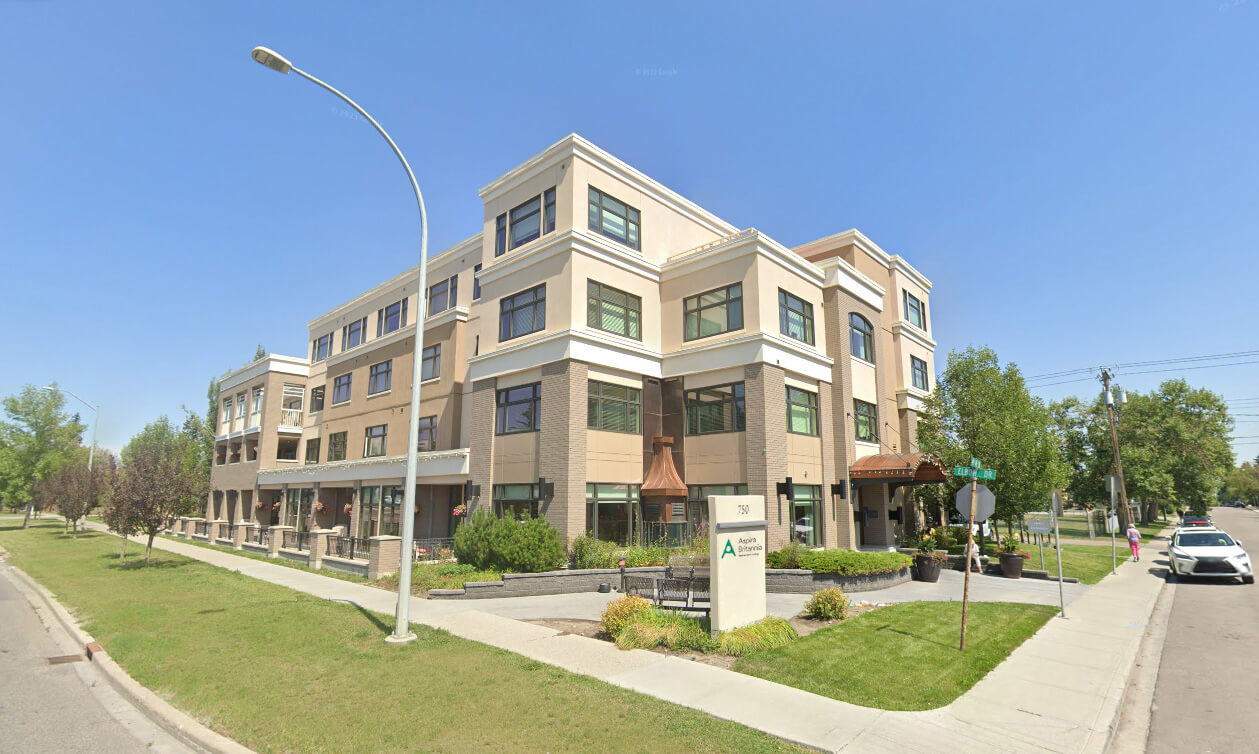
At Aspira Britannia Retirement Living in Calgary, that approach includes a holistic wellness model that brings together culinary, recreational and health services under one roof while continuing to expand capacity and evolve care to meet residents’ changing needs. “Literature, and experience with COVID, is showing that isolation and loneliness have a profound impact on an individual’s health and well-being,” he says. “We need to get back to the concept of neighbourhoods being communities.”
Amthor says seniors increasingly recognize that remaining at home is possible when the right supports are introduced before a crisis. “Home care is a natural progression for seniors who need assistance to remain in their homes to age in place, as we say,” she explains. “Providing that support recognizes independence, quality of life and peace of mind.”
She also believes perceptions of home care have shifted significantly. “Investment in home care, rather than the bricks-and-mortar model, is supportive of what seniors actually want.” That support often begins with services many families don’t associate with home care, such as meal preparation, housekeeping, transportation, companionship and personal care. “These are basic everyday needs that must be met to support the well-being of seniors,” Amthor notes, encouraging families not to wait until those needs become overwhelming, since early support can preserve independence and ease the strain of a crisis.
For both experts, the conversation is not about choosing between senior living communities and home care; it is about recognizing that every senior’s journey is different. Some will remain at home for years with the right supports; others will eventually benefit from the safety and specialized services senior care communities provide. No single model can meet every need. Together, senior living communities, home care providers and community supports form a continuum of care that gives seniors and their families more choices as their needs evolve.
Meeting the growing demand for senior care will require thoughtful planning, sustained investment and a workforce capable of supporting an aging population whose needs will keep evolving. One of Alberta’s greatest challenges, from Silvius’ perspective, is that the health care system is responding not only to an aging population but also to overall population growth, with demand extending well beyond continuing care. “It’s important to recognize that not just seniors need health care,” he says. “Infrastructure and resources, both financial and human, will be our biggest challenge.”
Meeting future demand will also require attracting and retaining qualified professionals, with Alberta making recruitment and retention a priority. Amthor sees similar pressures within home care, where growing demand is pushing organizations to recruit, train and retain skilled caregivers. “The health industry across the country is facing real staffing challenges,” she says. “Fortunately, Focus on Caring has faced these challenges many times over the past 32-plus years, and we’ve learned to adapt as best we can.” Investing in people, she adds, means ongoing education and training that build caregivers’ skills for personalized care.
Despite these challenges, both experts believe the future of senior care should stay focused on the individual rather than the system. Quality of life deserves to remain at the centre of every conversation about aging, Silvius says, whether someone is living independently, receiving home care or residing in a senior living community. “We all want a good quality of life until we die,” he says. “A focus on achieving it will have the greatest impact on all of us as we age.”
Amthor believes those conversations should begin long before they’re needed. “My best advice for seniors and their families is to create a plan. Define your wishes and how you would like to live out this part of your journey.” Planning for retirement, she says, should include more than financial and legal decisions: “Home care is often not included in our future plans. We plan our wills, our estates, often even our own funerals, and we forget to plan the living part of our retirement.”
As Calgary prepares for one of the most significant demographic shifts in its history, the challenge is not simply creating more senior living spaces. It is ensuring seniors have access to the right care, in the right place, at the right time, so they can age with dignity, independence and purpose.